Our Work
Four interconnected programs building a safety net and a launchpad for every child and family we serve in Mpigi District, Uganda.
A Holistic Approach
At KAKAF, we don't just tackle one issue. We address the interconnected challenges of violence, poor health, lack of education, and poverty through four core program areas — creating both a safety net and a launchpad for every child we reach in Mpigi District.
Child Protection
Our fundamental mission is to eradicate Sexual and Gender-Based Violence (SGBV), including child defilement and teen pregnancy. We create safe environments where children can speak up, be heard, and heal.
KAKAF works at the community level to shift deeply rooted cultural norms that enable violence, partnering with local leaders, schools, and health facilities in Mpigi District.

Rights Awareness
Educating communities on child rights, recognizing abuse, and safe reporting pathways.
Psychosocial Support
Counseling and trauma-informed support sessions for survivors and at-risk youth.
Case Referral
Collaborating with law enforcement, courts, and medical facilities for full-cycle case management.
Stakeholder Dialogues
Engaging local leaders, parents, teachers, and religious leaders as agents of change.
Education Support
Discover the impact we are making together in Mpigi District.
Poverty and cultural norms often keep girls out of the classroom. Kaleke Kasome is a Luganda word that literally translates to mean "Let her stay in school, and learn." We break down barriers to ensure quality education reaches every child in Mpigi District, regardless of their circumstances.
Free Education Scholarships, and a Community Library to bridge the education gap in Mpigi District.
From direct scholarships to building community libraries, we believe that an educated child is the most powerful force for social change in a community.

Scholarship Program
Direct financial support covering school fees, uniforms, exercise books, and stationery.
Community Library
A safe, welcoming space for reading, studying, and literacy programs accessible to all.
Computer Lab
Bridging the digital divide for rural students by providing access to digital skills.
Tutoring
Pairing students with mentors and providing supplementary learning sessions.
Adolescent Health
Young people in Mpigi District face serious vulnerabilities to HIV, teenage pregnancy, and period poverty. We replace misinformation with accurate health education and provide tangible, life-changing resources.
A girl who misses school because she has no sanitary pads falls behind and may never return. Our menstrual health program is one of the most direct interventions we can make to keep girls in school.

SRHR Education
Comprehensive Sexual and Reproductive Health and Rights training in communities.
Menstrual Health
Distributing locally handcrafted, washable pads so periods never stop education.
Life Skills
Decision-making, peer pressure management, and self-esteem building for adolescents.
Health Outreach
Regular outreach events bringing health screenings to underserved communities.
Vocation Training
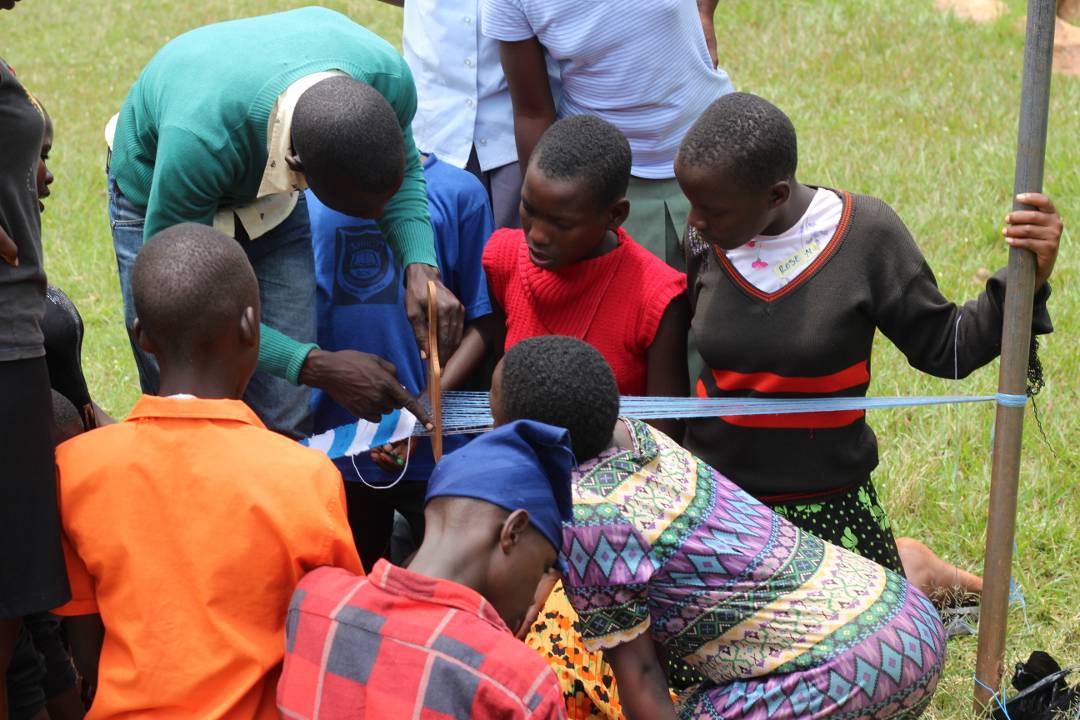
Household poverty is a profound root cause of child vulnerability. When a parent struggles to survive, their children suffer. By equipping women and out-of-school youth with practical, marketable skills, we build economically resilient families.
Our graduates don't just find employment — many go on to create their own businesses and employ others in their communities, multiplying the impact of every skill we teach.
Tailoring
Participants learn garment making, producing pads and school bags in our workshops.
Bakery
Turning participants into successful food entrepreneurs supplying local markets.
Computer Literacy
Basic digital skills and Office application training for a modern workforce.
Entrepreneurship
Practical guidance on starting, managing, and growing a small business.